

The healthcare industry is under constant pressure to do more with less—fewer staff, tighter budgets, and increasing patient demands. In this environment, inefficient scheduling isn’t just an operational issue—it’s a direct contributor to nurse burnout and critical staffing gaps. That’s where healthcare scheduling software becomes a game-changer.
For staffing agencies and healthcare organizations alike, managing shifts manually or through outdated systems often leads to overworked nurses, last-minute vacancies, and compliance risks. Modern scheduling solutions are designed to fix these challenges by bringing structure, visibility, and automation into workforce planning.
Before diving into solutions, it’s important to understand the root of the problem.
Nurse burnout is a state of physical, emotional, and mental exhaustion caused by prolonged stress and overwork. It often results from:
Burnout doesn’t just affect individual nurses—it impacts patient care, team morale, and retention rates.
Staffing gaps occur when there aren’t enough qualified professionals to fill required shifts. This can happen due to:
For staffing agencies, these gaps mean missed opportunities, strained client relationships, and reduced revenue.
Many healthcare facilities and staffing agencies still rely on spreadsheets, emails, or basic tools to manage schedules. While these methods may seem manageable at first, they quickly become inefficient as operations scale.
Here’s where they fail:
Lack of Real-Time Visibility
Manual systems don’t provide instant updates, making it difficult to track availability or fill urgent shifts.
High Risk of Errors
Double bookings, missed shifts, and incorrect assignments are common.
Time-Consuming Processes
Recruiters and coordinators spend hours managing schedules instead of focusing on strategic tasks.
Poor Communication
Without centralized platforms, communication between staff and managers becomes fragmented.
This is exactly where scheduling software for healthcare steps in to transform operations.
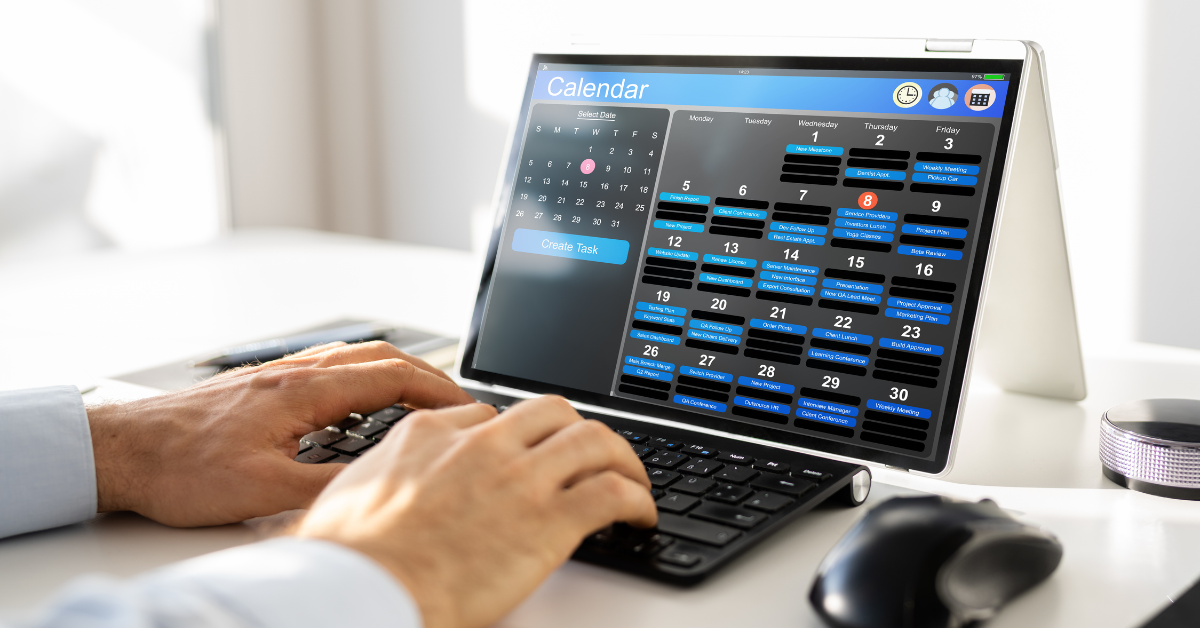
Modern healthcare staff scheduling software is designed to address both burnout and staffing gaps simultaneously. It does this by combining automation, intelligence, and user-friendly interfaces.
One of the biggest contributors to burnout is uneven workload distribution.
Advanced scheduling tools:
This creates a more balanced schedule, giving nurses the rest and predictability they need.
With real-time dashboards, staffing coordinators can:
This significantly reduces staffing gaps and improves response time.
Modern platforms allow nurses to:
This level of flexibility improves job satisfaction and reduces burnout.
Missed shifts can disrupt entire operations.
Healthcare scheduling software sends:
This keeps everyone informed and accountable.
Using historical data and AI, platforms can:
This proactive approach ensures better workforce planning.
Scheduling doesn’t exist in isolation—it’s closely tied to hiring.
When integrated with an ATS, agencies can:
If you want to understand how recruitment and scheduling work together, take a look a this blog too.
Let’s connect the dots—how exactly does scheduling software reduce burnout?
Improved Work-Life Balance
Predictable schedules allow nurses to plan their personal lives better.
Reduced Overtime
Automated systems prevent over-assignment of shifts.
Increased Autonomy
Self-service features give nurses control over their schedules.
Better Communication
Centralized platforms eliminate confusion and miscommunication.
Together, these factors create a healthier work environment, leading to improved retention and morale.
For staffing agencies, speed and efficiency are everything.
Here’s how staff scheduling software for healthcare makes a difference:
Faster Shift Fulfillment
Instant visibility into available candidates helps fill roles quickly.
Improved Candidate Matching
Skills, certifications, and availability are all considered automatically.
Reduced Administrative Burden
Automation frees up time for recruiters to focus on relationship-building.
Stronger Client Relationships
Consistently filling shifts builds trust with healthcare facilities.
Not all tools deliver the same value. When choosing a platform, prioritize features that directly address burnout and staffing gaps.
Intelligent Scheduling Engine
Look for systems that use AI to optimize shift assignments.
Mobile Accessibility
Ensure nurses can access schedules anytime, anywhere.
Compliance Tracking
Verify certifications and licenses automatically.
Integration Capabilities
Connect with ATS, onboarding, and payroll systems.
Customization Options
Adapt the platform to your agency’s unique workflows.
For a deeper comparison of top solutions, you can explore this blog too.
To truly understand the impact, consider this example:
The difference is not just operational—it’s transformational.
The future of scheduling is evolving rapidly. Here are key trends shaping the industry:
AI-Driven Workforce Planning
Advanced algorithms predict staffing needs with high accuracy.
Gig-Style Scheduling Models
Flexible, on-demand shift selection is becoming more common.
Mobile-First Platforms
Everything—from scheduling to communication—is optimized for mobile use.
Integrated Workforce Ecosystems
Scheduling, recruitment, onboarding, and payroll are unified in one platform.
Agencies that adopt these innovations early will have a significant competitive advantage.
Using separate tools for scheduling, recruitment, and onboarding creates inefficiencies.
An integrated platform:
This is where modern healthcare scheduling software stands out—it’s no longer just a scheduling tool but a complete workforce management solution.
Nurse burnout and staffing gaps are two of the most pressing challenges in healthcare today—and they are deeply interconnected. Poor scheduling leads to overworked staff, which in turn causes burnout, absenteeism, and even larger staffing shortages.
The right healthcare scheduling software breaks this cycle by introducing automation, flexibility, and intelligence into workforce management. It empowers nurses, supports staffing agencies, and ensures healthcare facilities operate smoothly.
In an industry where every shift matters, investing in the right solution is no longer optional—it’s essential.
Talent Pathway is built to help healthcare staffing agencies overcome burnout, eliminate staffing gaps, and streamline operations—all from a single platform.
With AI-powered scheduling, seamless integrations, and a user-friendly interface, Talent Pathway enables you to:
Don’t let outdated scheduling systems hold your agency back.
Discover how Talent Pathway can revolutionize your workforce management and help you deliver better outcomes—for your clients, your candidates, and your business.